Friday Concentrates


“You could only get Hashish or Hash Oil back in the day and you could not find it that often in certain locations so when you did get some it was a very special thing.”

Christopher the Cannabis Guru
Cannabis Concentrates Introduction

Hello and I am Christopher your friendly Cannabis Guru and I welcome you to Friday Concentrates. Every Friday we will discuss some type of cannabis concentrate from how it is made to how to properly use. Today is just the introduction into the wild world of Cannabis Concentrates. Concentrates, a.k.a extracts, are produced from cannabis trichomes, which contain the cannabinoids, terpenes, and the other compounds which give cannabis its recreational and medical effects.
Budder, shatter, wax, and resin—an unfamiliar person could get quite confused with cannabis concentrates. These high-potency cannabis products are rapidly becoming a preferred way to use cannabis because a “little” can go a long way. There are numerous of methods to create and process concentrates, and they can generally be placed into two categories: full-spectrum concentrates and isolates.
It is time to hit some concentrates and start our higher education. Here’s a quick guide to get you started.
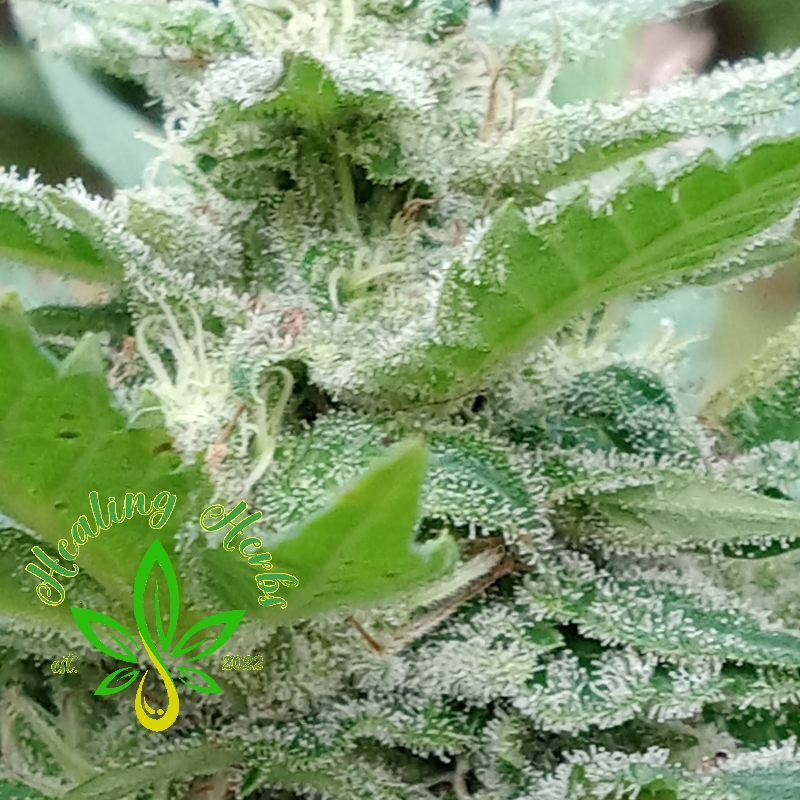

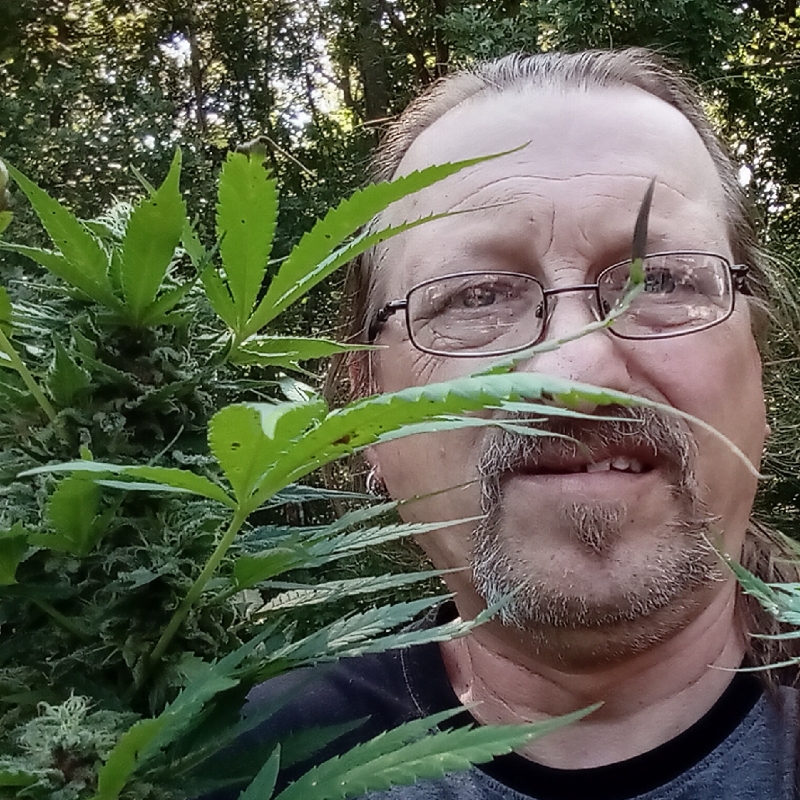
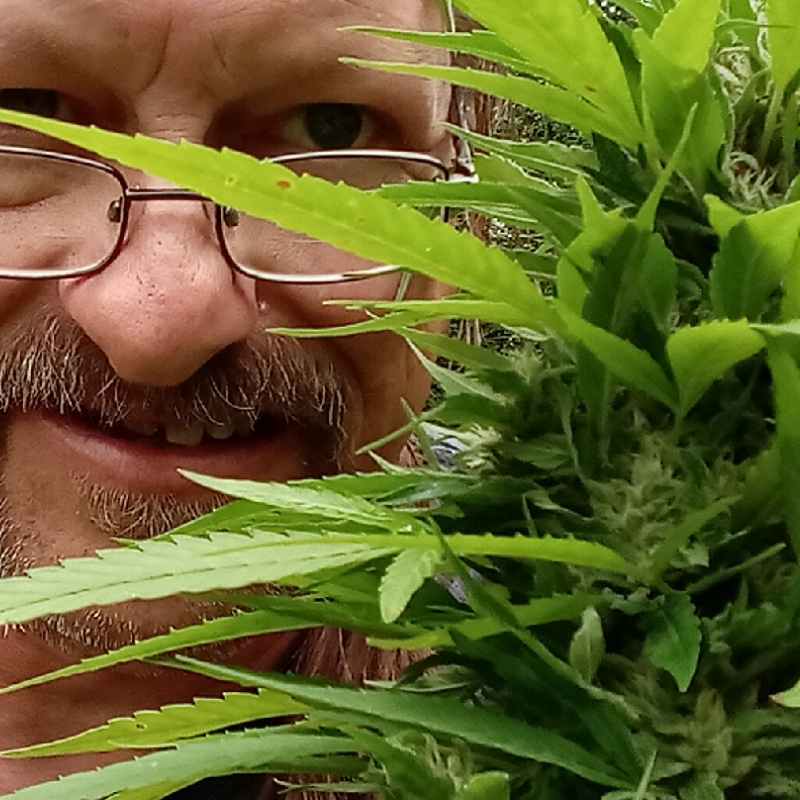
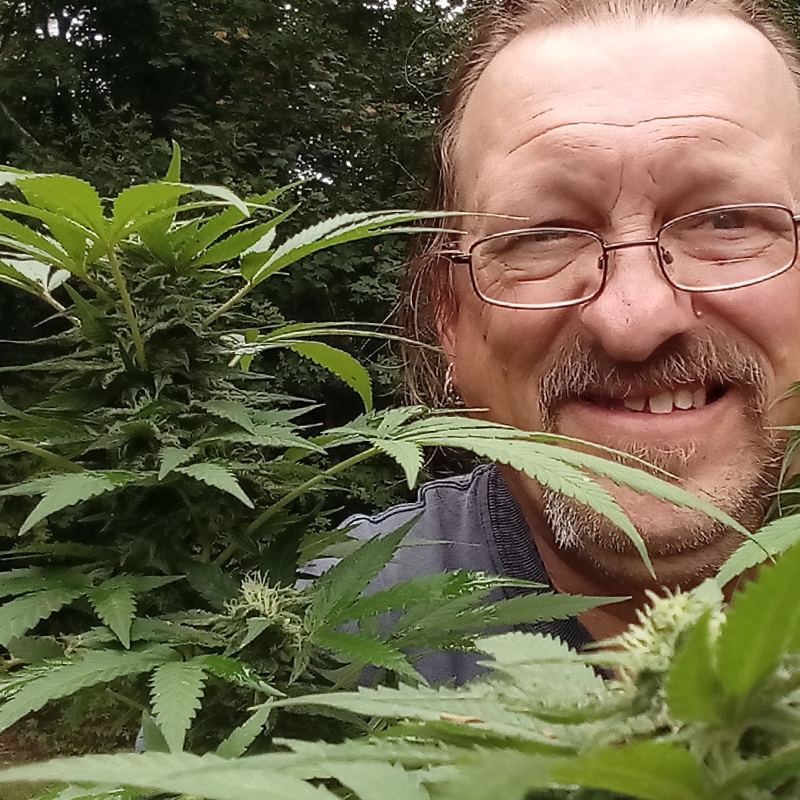
Noggin Floggin High-Quality Cannabis Flower. She is a Hybrid that is Full of Beautiful Trichomes. She was All Organically Cultivated, Chemical and Pesticide Free and has numerous therapeutic benefits. It was cultivated by your one and only Cannabis Guru.

What Are Concentrates?

The cannabis flower and sugar leaves are covered in trichomes [as seen in above photo], resinous glands that contain cannabinoids, terpenes, and the other compounds. Trichomes can be extracted from the cannabis flower, creating a concentrated form of cannabis. These concentrates can take on numerous forms, largely depending on the method used to create them. 

Some cannabis concentrates include all cannabinoids and terpenes found in a cannabis plant, and those are known as full-spectrum concentrates. Other extractions purify and concentrate a single compound, to the point of isolating it to a potency near 100%—these are called isolates. 

The advantage of using a full-spectrum cannabis concentrate is that all active chemicals have a synergistic effect when combined—this is referred to as the entourage effect. Most believe using a full-spectrum cannabis concentrate will have a stronger therapeutical impact than using an isolate. 


STONER QUESTION OF THE DAY

What was the first cannabis concentrate you tried?
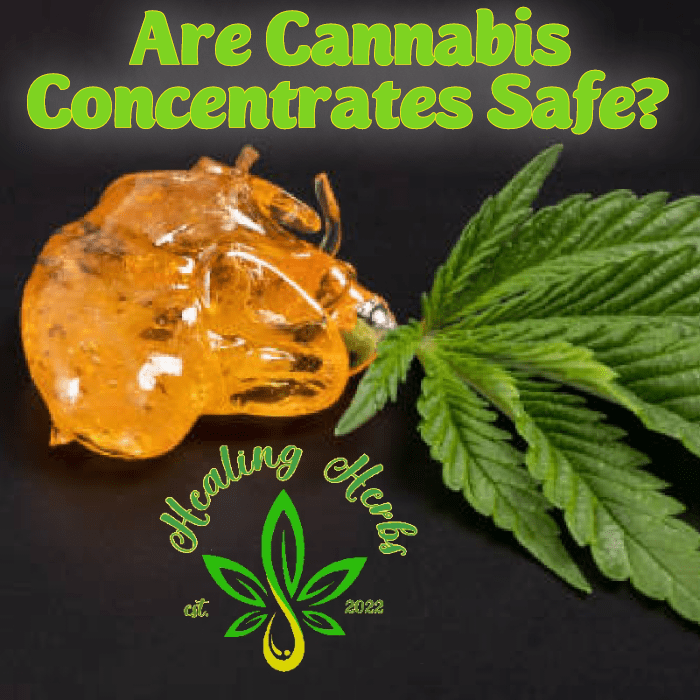

When used responsibly and sourced from a reputable dispensary, THC concentrates are safe. The extreme potency means you can use very little to experience intense effects, so you should still be if you’re new to the world of cannabis. If you’re trying concentrates for the first time, it never hurts to get a little guidance from an experienced cannabis concentrate user. Some cannabis concentrates are extremely potent—as much as 90 percent THC. You may literally only need to use a dose the size of the head of a pin or the size of a grain of rice.

Cannabis Concentrate Types
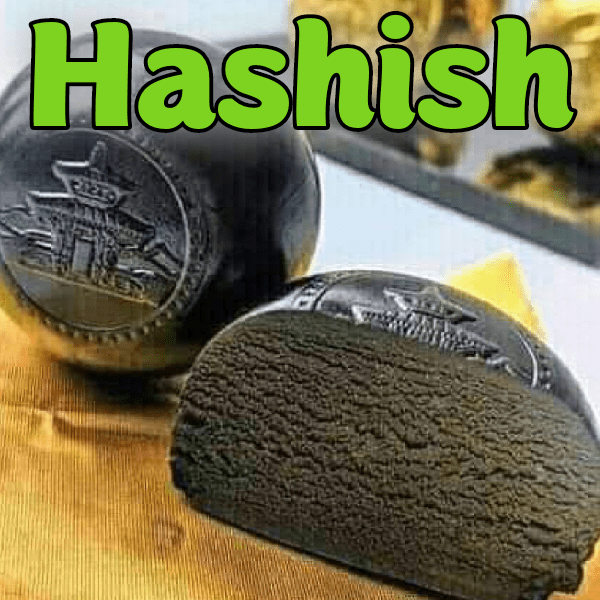
Hashish or Hash is a cannabis extract, made when trichomes, the resinous glands that line the surface of cannabis plants, are removed and processed into a concentrated form. It is usually brown or dark green in color and comes in a brick or ball.
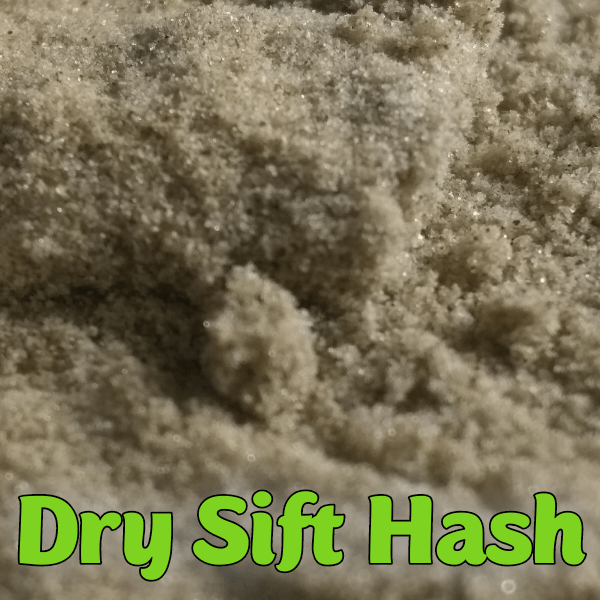
Dry sift, also called dry sieve, is a collection of refined resin glands that have been separated from cannabis flower using a series of fine mesh screens. It’s essentially a refined form of kief.
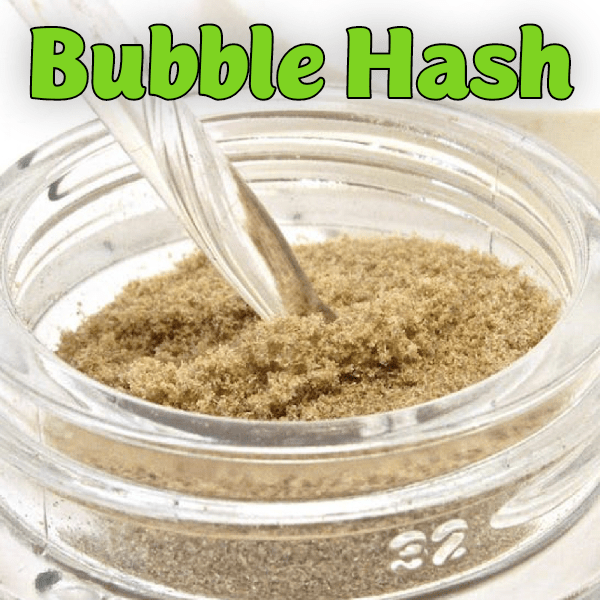
Bubble hash, also known as ice water hash, is created by placing cannabis buds in ice water, which freezes trichomes. The mixture is then stirred or agitated, breaking off the trichomes, and the resulting liquid is filtered through a series of fine screen bags.The resin is then collected and dried, and the product is bubble hash. Its appearance and texture can range between dry and chalky, to greasy and oily.
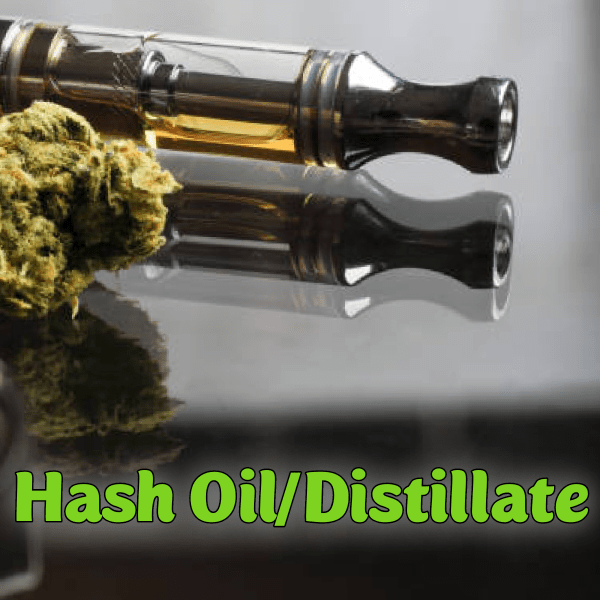
Hash oil or Distillate may be solid or colloidal depending on both production method and temperature and are usually identified by their appearance or characteristics. Color most commonly ranges from transparent golden or light brown, to tan or black. There are various extraction methods, most involving a solvent, such as butane or ethanol.
You may also see distillate referred to as THC oil. Distillate is highly potent; you may only need a fraction of a drop to get high with a quality product. Most distillates are used along with an e-rig or dab nail, but they can also be used in vape pens or added to a cartridge.
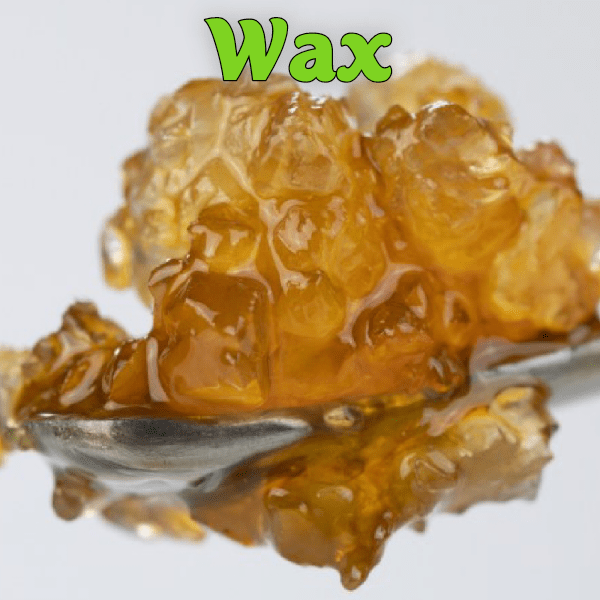
Wax is, just as you would think, waxy. The consistency is dense, and sometimes a bit granular, and the color is typically golden and opaque. Wax may be added to flower for twaxing (wax and cannabis mixed), but it is most often smoked using a dab rig.
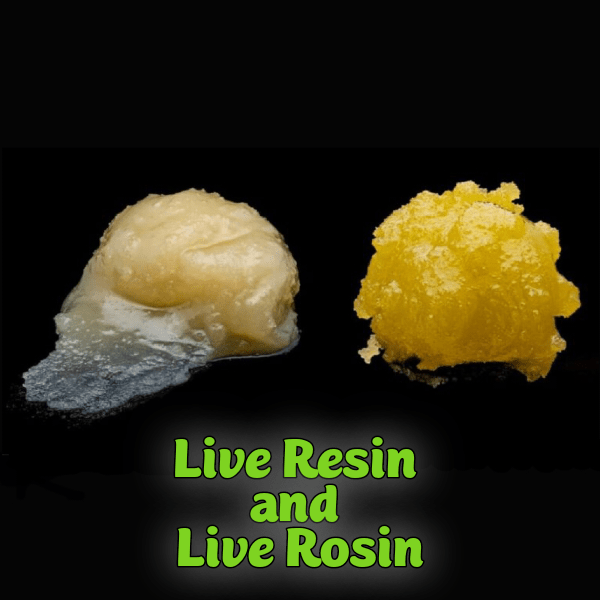
Live resin falls on the consistency scale between sauce and wax. Live resin is sticky and potent. It’s chock-full of natural cannabis terpenes because it is harvested after freezing the cannabis plant – using a solvent to extract the good stuff. Hence, the term “live.” Resins are ideal for vaping with a dab pen, but can also be used on a general dabbing setup with an e-rig or standard dab rig. What’s resin vs rosin? Both have similar consistencies, usage methods, and profiles, but rosin is created without solvents.
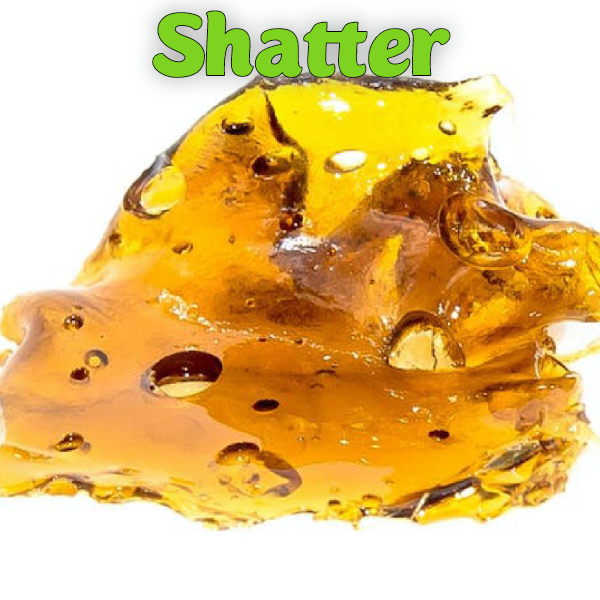
Shatter is a BHO concentrate and gets its name from the fact that it looks a lot like glass. The concentrate is like thin hard candy, and it has this telltale amber color when it is high quality.
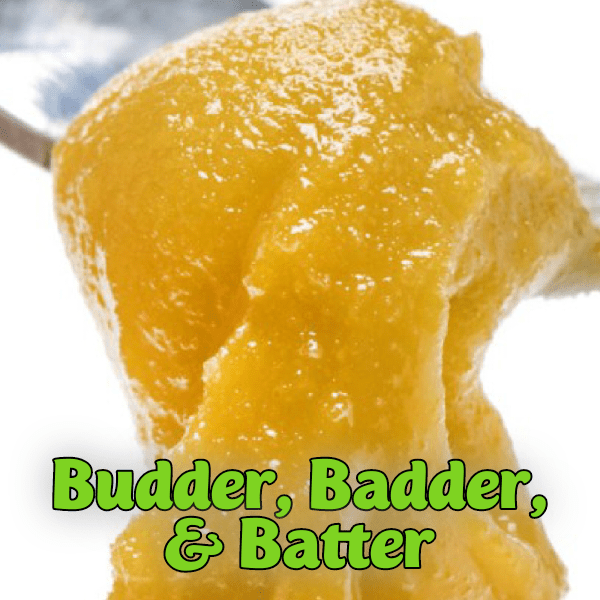
Budder, badder, and batter are all essentially the same type of concentrate, and all are extremely potent, but there can be small differences between them. Budder has this smooth, whipped consistency that’s a lot like… well, butter. Budder is known for its high potency, but may not always have a lot of aromatics due to extra heating used beyond the extraction point. Batter and badder are sometimes a bit less smooth; some can be more saucy and loose and some can even have a bumpier consistency.
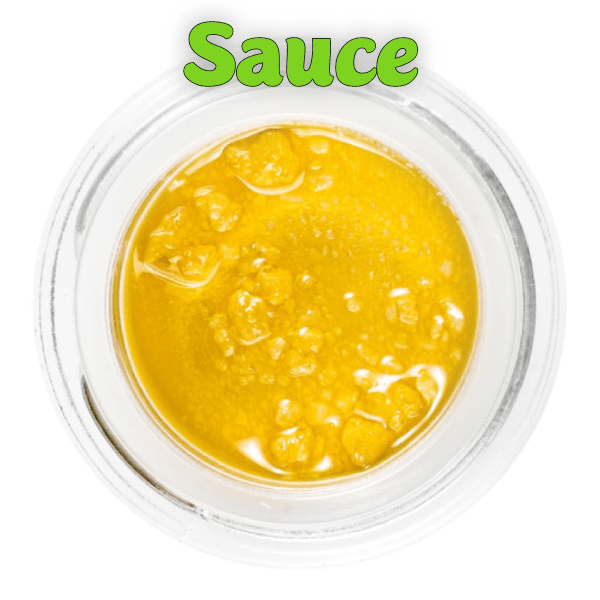
Also known as terp sauce, THC sauce or even “diamonds,” sauce is a sticky, syrup-like cannabis extract created by combining each strain’s specific terpenes with its cannabinoids (THCA, in particular). Sauce can also contain crystalline structures (THCa) depending on the cannabinoid profile and extraction stage, earning its previously stated nickname, Diamonds.
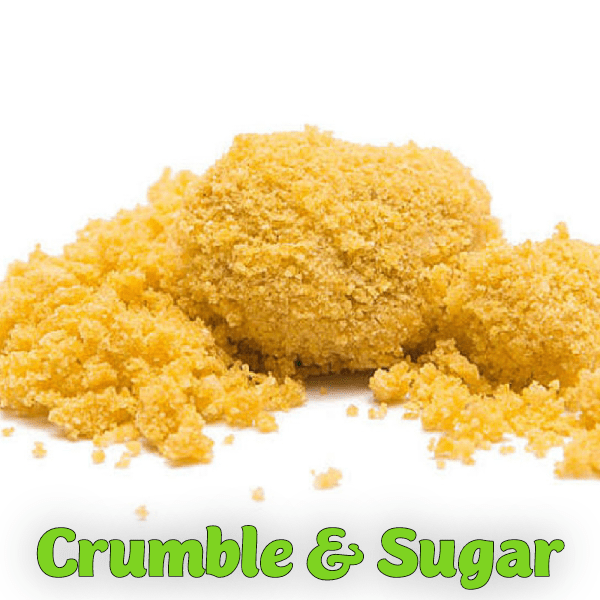
Crumble looks a lot like tiny clumps of sugar, but it is pretty dry and easy to handle. Crumble is perhaps the driest form of cannabis concentrate you can find, which makes it ideal for sprinkling on a rolled joint. Crumble can also be vaporized on a rig or dab setup as well. Cannabis sugar is similar to crumble, but is slightly wet, which means it is best used with a vaporizer.

How to Store Cannabis Concentrates

Cannabis concentrates can be highly sensitive to temperature changes and even exposure to sunlight or oxygen. Therefore, pretty much every concentrate you find should be kept in a cool or temperature-controlled environment, out of direct sunlight, and in an airtight container.

Most concentrates are dabbed, or flash vaporized, through a dab rig, but some concentrates can also be added to the top of a bowl of flower, or used to make edibles. Concentrates also commonly come as an oil in a pre-filled cartridge that can be attached to a battery for easy and discreet consumption.

Conclusion

If you have never used cannabis concentrates the cannabis world has just opened up to you. I would recommend if you have never used cannabis before I would not start with a concentrate. Concentrates are for the more experienced user and for those dealing with chronic medical issues like pain and cancer.
I have watched cannabis change in my past 40 years with the past 10 years concentrates are booming and you have no problem with finding it like in the past. You could only get Hashish or Hash Oil back in the day and you could not find it that often in certain locations so when you did get some it was a very special thing. Now it seems to be everywhere. Please be safe with what concentrates you purchase because if done with solvents and not done correctly can be very harmful to your health so be sure you know what you are consuming is safe. I am here if you have any questions so until tomorrow stay Herbaly Healthy & Happy. Please follow and take the time to give us a LIKE then post a comment because we would love to hear from you and Share this with your friends and family to help us educate on the Endo-Cannabinoid System and Cannabis as a Holistic Therapeutic that is all Organic and Natural, Chemical and Pesticide Free, Affordable and Easy to Access and Therapeutic while We Demand the Federal Government to Immediately Reform the law on Cannabis. We also Demand Big Pharma to stay out of our Wallets and we have a medication that actually Heals named Cannabis that does not contain those Harmful Side Effects like Liver Damge, Kidney Damage, or Death.
Therapeutic Thursday

Medicine should not taste so good…

Christopher the Cannabis Guru

Hello and Welcome to Therapeutic Thursday and I am Christopher your friendly Cannabis Guru. Today I am going to discuss my therapeutic holistic cannabis use for some of my medical issues. I do have a primary doctor that I openly tell of all the therapeutic cannabis use and I ask you to do the same.

I am a Second Generation Cannabis Horticulturist and Connoisseur with thirty plus years of knowledge. This year (2022) has been one medical issue to another medical issue and to another medical issue and so on. It has been physically difficult as well mentally difficult and it is still on going.

To add to this my cannabis use has been on a steady increase to help with the pain I am going through and the stress of it all. I was before this a heavy smoker of cannabis so I feel I am really abusing my lungs now. Well now that I am fifty years old I am looking at my health a little differently. So get comfortable and Light one up it’s time for some higher education on Cannabis Therapeutics.

Honey, Honey, and Honey

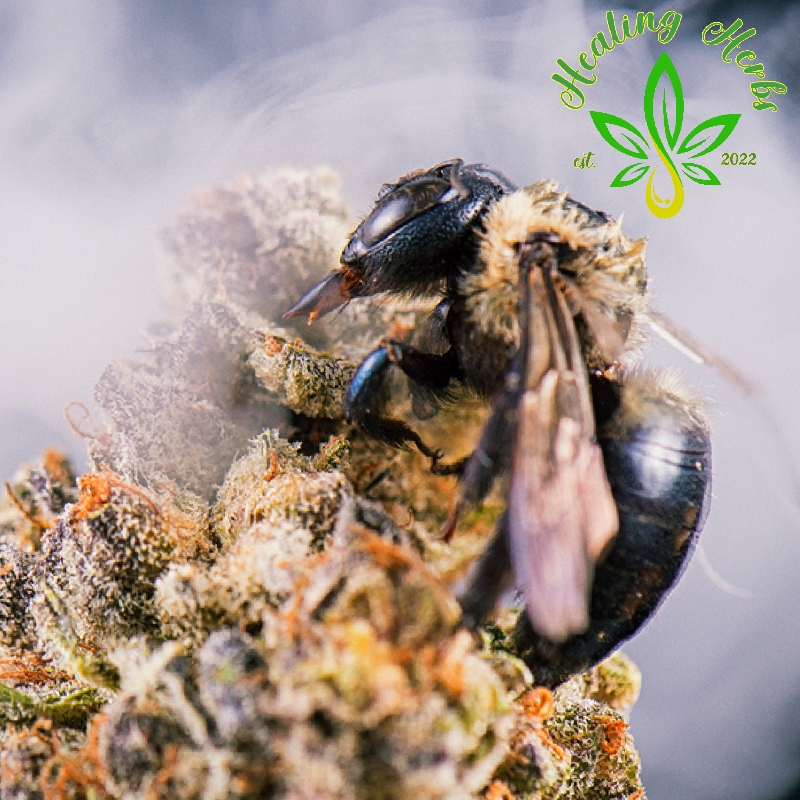
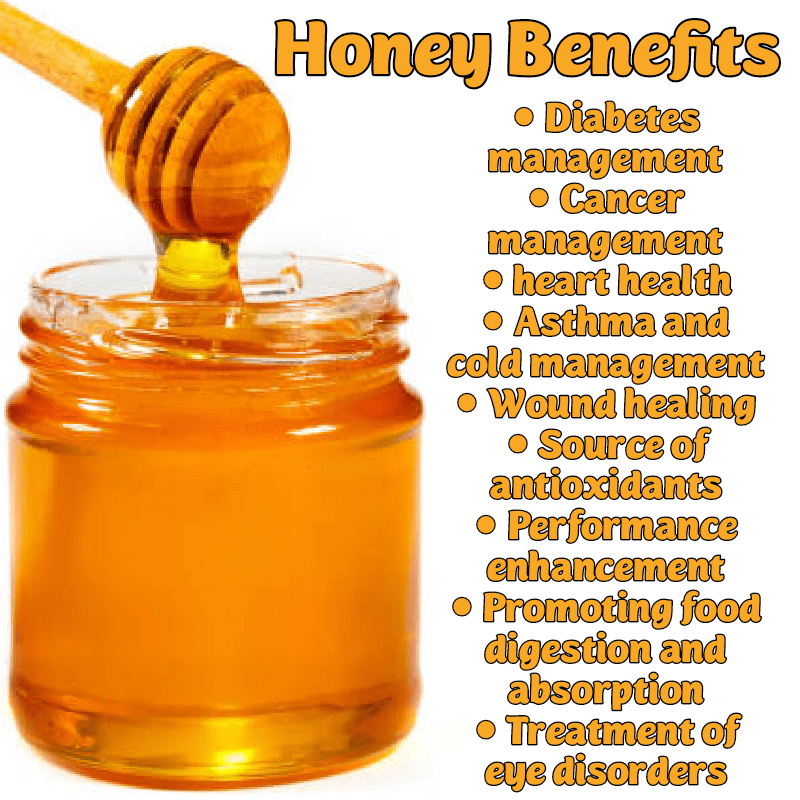
I have a love affair with honey and have since a child and humans have gathered honey for thousands and thousands of years. We have found Rock art in Spain from 6000 B.C. that shows people harvesting honey. Beeswax from around 8000 B.C. was found in cooking pots in Turkey. By 2400 B.C., the Egyptians were skilled beekeepers. So us humans have had a long love affair with honey so much so that the early people cleared forests into pastures, they created bee-friendly habitats where flowers and bushes grew. So as the farmers moved into the new areas, honeybees followed.

Honey is Healthy

By taking just one spoonful of honey every day can have numerous benefits to your health. Honey has been used for its nutritional value since ancient times I mentioned this earlier. It has also been found to be beneficial in the treatment of many clinical conditions.

That’s because the main nutrients in honey are carbohydrates in the form of glucose and fructose. It also contains small amounts of necessary vitamins, proteins, minerals, and enzymes.

My Therapeutic Cannabis Use

I mentioned earlier that I am a very heavy cannabis smoker. I was never into edibles because everything I had tried just didn’t seem to work for me so I had no interest because I was needing the head change so I was therapeutically using it to treat my stress, anxiety and for chronic pain from a knee injury. I knew of all the health benefits of consuming cannabis for many of years just didn’t do it smoking was good enough for me at that time. Now it is decades of therapeutic use by smoking its time to really utilize all the Holistics of Cannabis for my own health and well-being.

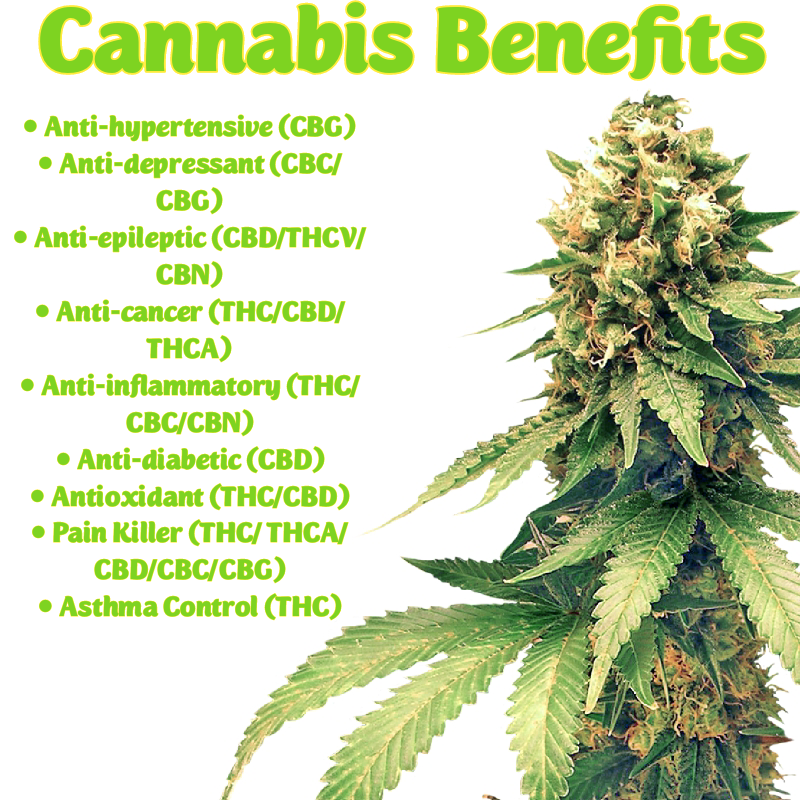
Just A Few Honey & Cannabis Benefits

With all the health benefits honey and then from Cannabis because of our Endo-Cannabinoid System makes it a match made in Heaven. Just think of how your body is going to Thank you for this as well. So let’s get into the infusion of the two.


STONER QUESTION OF THE DAY

Where do you get your Cannabis Flower?


There are two types of honey you can purchase.

Raw honey. This is honey that has been extracted from the beehives, and only the wax and other non–honey particles are removed. It’s then packed and stored for consumption.

Processed honey. Here, after the wax and non–honey particles have been removed, the honey is taken to a factory where it is heated, pasteurized, and bottled to improve shelf life. Pathogens, antioxidants, and vitamins are removed through a heating process during bottling.

There are different types of honey just like cannabis. Classification is based on the aroma, color, flavor, and kind of flower nectar the bees collected just like us humans do with cannabis flower. Some commonly known types of honey include clover, wildflower, orange blossom, buckwheat, heather, acacia, and manuka honey.

We Do Not Want To Use The Processed Honey for this because we want all the health benefits of the honey.

Now that you have chosen a honey you like so now you have to choose a cannabis flower that meets the criteria for your Medicinal purposes.

I am going to use some high quality cannabis flower that I all organically cultivate that is chemical and pesticide free. It is an Indica hybrid strain named Jack Smack.

Let’s head to our kitchen and we will need a few things so we can get started. We will need what’s on the list:

Cookie sheet
• Parchment paper
• Double boiler or a pot and an oven save bowl that will fit the pot.
• Mason jars
• Spatula
• Reusable coffee filter or paper filter
• Rubber band (needed with paper coffee filter only)
• Glass measuring cup (2 cup works best)
• Cooking thermometer
• Weight scale
• Oven or pot holder


How To Make Cannabis-Infused Honey

Ingredients
• 1 cup of honey
• 3.5 grams of Cannabis Flower

The essential first step: Decarboxylating the cannabis

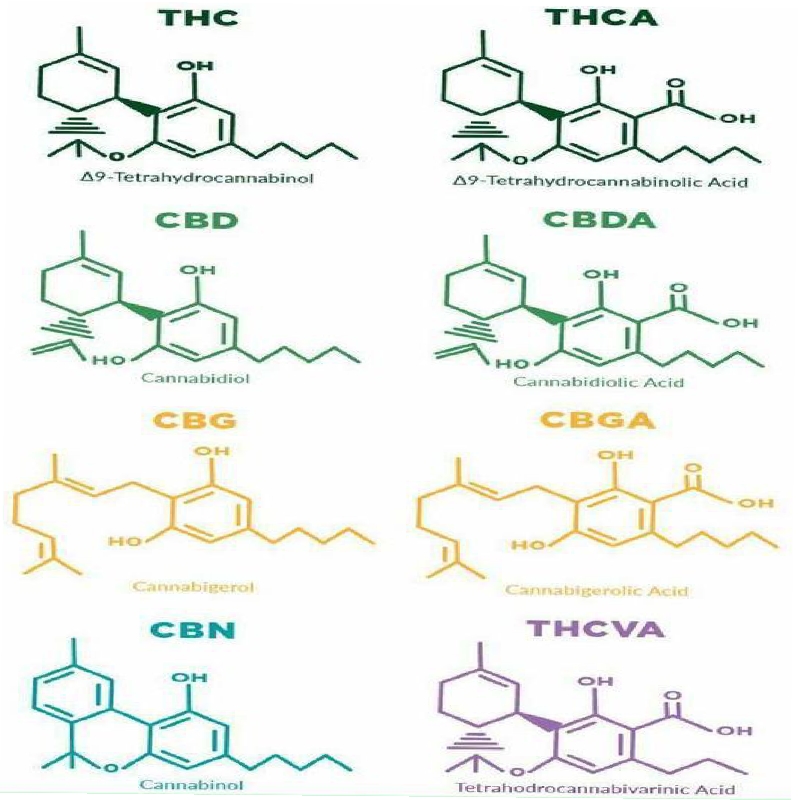
Before making our infusion, you’ll need to decarboxylate, or “decarb”, the cannabis flower we are working with. Skipping this step will result in a weak or inactive product. Here’s why: Cannabis flowers produce a non-intoxicating cannabinoid called THCA. When we smoke or vaporize cannabis, the heat converts THCA into THC, the molecule that delivers euphoric effects. If preparing CBD edibles, this same process should be applied too.

Directions For Making A Cannabis Infusion With Honey

Decarb the cannabis. Preheat your oven to 245ºF. Place cannabis buds on a non-stick, oven-safe tray. Cover the tray with parchment paper to prevent sticking. Insert the tray into the oven and set a timer for 30-40 minutes. Older, drier cannabis may require less time. Every 10 minutes, gently mix the flowers with a light shake of the tray to expose the surface area of the flowers equally.

Combine the cannabis and honey in a double boiler to apply gentle heat on the stove top. Note I like to have my honey brought up to temp of 160 to 180 degrees. Not necessary but how I do it.

Simmer. Maintain low heat and let the mixture simmer for at least 40 minutes. Use the kitchen thermometer to maintain the heat at 160 to 200 degrees. The mixture should never come to a full boil.

Strain the honey. I use a stainless steel reusable coffee filter that I place into a 2 cup measuring glass it fits nicely. I pour honey and cannabis into the filter using a Spatula to get every bit of honey. Then allow it to strain freely Do Not squeeze or press on the Cannabis because it my push bad tasting plant material through. If you are using paper coffee filter you need secure it to the measuring glass with a rubber band. Do not squeeze the filter or it my push bad tasting plant material through.

Storing: You transfer the honey into desired container and the infused honey can be stored in a cool dark area for 1-2 months.

Dose carefully. Refer to dosing information below before adding your honey to any snacks, dishes, or desserts.

The potency of your cannabis honey infusion depends on many factors, from how long and hot it was cooked to the potency of your cannabis flower. To test the potency of your finished product, try spreading ¼ or ½ teaspoon on a snack and see how that dose affects you after an hour. Decrease or increase dose as desired. You can the use this personalized “standard” dose as a baseline for your recipes. 

Medicine That Tastes So Good

I have been using this cannabis infused honey now for a week. I felt the difference in my body within an hour by my chronic pain has dropped significantly. Just with that it allows me to do so much more. I have dealt with painful urinating since April this year. Now I am urinating more often, better flow and it is all most pain free. I am smoking a lot less cannabis flower and my lungs are thanking me too.
I now have made several batches of Cannabis infused honey using several different honey types and several different cannabis flower strains. It is so good I can just eat it by itself but it goes really well with your morning coffee then in the rest of the day it goes great with all kinds of teas. My absolute favorite thing to do with the honey and it’s so simple is some toasted bread with butter and strawberry jam or jelly then drizzle the honey on it. Medicine shouldn’t taste so good, so until tomorrow stay Herbaly Healthy & Happy. Please follow and take the time to give us a LIKE then post a comment because we would love to hear from you and Share this with your friends and family to help us educate on the Endo-Cannabinoid System and Cannabis as a Holistic Therapeutic that is all Organic and Natural, Chemical and Pesticide Free, Affordable and Easy to Access and Therapeutic while We Demand the FederalGovernment to Immediately Reform the law on Cannabis. We also Demand Big Pharma to stay out of our Wallets and we have a medication that actually Heals named Cannabis that does not contain those Harmful Side Effects like Liver Damge, Kidney Damage, or Death.
Happy Healing Herbs Hump Day


Herbal Humor for Hump Day

My buddy and I the other day were driving around cruising having a good time and we just finished a joint and the car was full of smoke we were buzzed as can be when we saw the blue lights and we are getting pulled over by a K9 police officer no less and we kept our cool as he had us get out of my buddy’s car then he went and got the K9 and had his dog sniff the car for drugs. The K9 sounds off and is going all through the car just barking. The cop comes over with the dog and says to us, “My dog says you have some weed in the car.” My buddy quickly responded, “Well I don’t know about that, but I want whatever’s got you talking to the dog!”


Introduction

Hello and I am Christopher your friendly Cannabis Guru and I welcome you to Happy Healing Herbs Hump Day. Why It should be as no surprise to anyone that medical and recreational cannabis industries are booming. In 2017 alone, the medical marijuana industry made 3.2 billion dollars.

Now this boom has started a nationwide debate about the ethics, societal effects, and medical benefits of cannabis. This debate has muddied the waters around cannabis on those issues. Some may now believe that the medical benefits of cannabis are overstated – that people just want to get high.

WRONG!

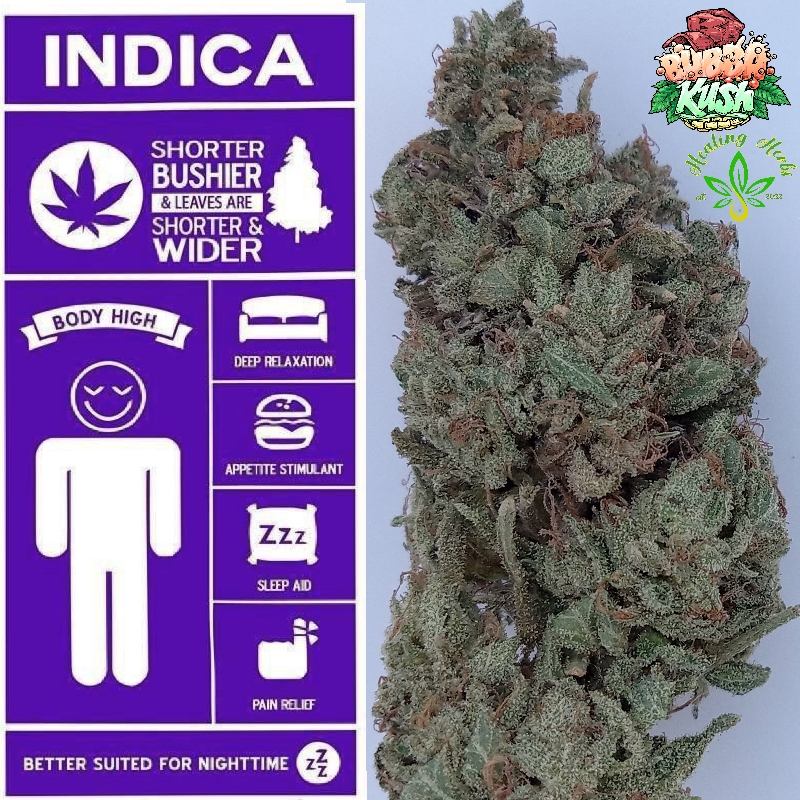
Medical Cannabis, particularly a good Indica strain, can alleviate the symptoms of an exhaustive list of ailments.

Cannabis falls into one of three  varieties: indica, sativa, or hybrid. Despite how fervently some might argue that all cannabis is identical, there are obvious differences in those three varieties in terms of their effects on the human body and mind.

Today the focus is on indica cannabis – an inherently intriguing species native to cold mountainous regions in central Asia. We highlight some of the most popular medical uses for indica cannabis, discussing few of the most iconic breeds that may work well for a specific range of conditions. So fire one up it’s time for some higher education.

But First, What Is Indica?

As we just mentioned, many believe that indica cannabis first found in the harsh mountainous climates of central Asia, such as the iconic Hindu Kush mountain range, which lies on the border of Pakistan and Afghanistan.

It is no secret that heirloom (i.e., genetically pure) indica cannabis strains of the Hindu Kush Himalayan Region possess a list of medicinal properties. As is the case with almost any of the indica family, these plants grow low and bushy – their pungent flowers usually hidden beneath a mass of stumpy, deep green and sugar leaves.

The fact that indica cannabis plants boast a relatively consistent and specific chemical profile. Namely, a 2012 study has pointed out that most indicas have a higher CBD content.

When taken in large doses, CBD tends to have pretty strong sedative effects that can bring on a quick and heavy bout of onset drowsiness. This is likely why indica cannabis is known to be the best variety for inducing sleep and relieving anxiety and stress.

It would be naive to suggest that the medical benefits of indica cannabis are solely due to the consistently higher percentages of CBD. In fact, some indica strains have a very high THC content.

This is where secondary cannabis compounds come into play. While we know very little of what each specific compound in cannabis does, we know that the effects of the whole plant are amplified on the human body compared to the effects of a single extracted compound.

Medical Indica Benefits and the Complexity of Cannabis Plant Chemistry

When we use cannabis, there are far more things acting on our bodies and minds than simply the THC and CBD molecules. THC and CBD are just two of over 100 identified cannabinoid compounds (called phytocannabinoids) in cannabis.

There are other active compounds like terpenes, flavonoids, and omega acids also play a role in the medical benefits of indica strains. In other words, it is the specific full-spectrum chemical blend of pure indica cannabis strains that gives them the renowned benefits of sleep, sedation, and body numbing that they’re known for.

But what exactly is this cannabis indica chemical blend? That is a question that we’re going to have to wait to find out. To our knowledge, there is no study that has quantifiably identified the phytocannabinoid, terpene, flavonoid, and omega-acid profiles of pure indica cannabis.

We do know that the specific indica cannabis profile – whatever it may be – is responsible for producing a relatively consistent range of benefits that we can anticipate and put to use to maximize medicinal therapy.

Because of Indica’s high CBD concentration and its relaxing properties, an Indica strain is ideal for ailments relating to muscle pain, spasming, and restlessness. Below are some specific use cases for Indica cannabis, though medical cannabis has endless uses.


The Top Medical Uses for Indica Cannabis Strains

Medical Indica Effects #1 | Promotes Sleep/Insomnia

It has long been common knowledge that one of the best medical uses for indica strains is to promote sleep. Not long ago, the Swiss academic journal Medicines  published a report supporting this idea. It claimed that cannabis flower was correlated with “significant improvements in perceived insomnia” and that flower from sativa strains was “…associated with more negative side effects than flower from [indica] plant subtypes.”

Insomnia is becoming a growing ailment for people these days. Thanks to the inundation of media and stimuli receive while we’re awake, it has become more difficult for people to turn their brains off when they go to sleep.

However, after smoking marijuana, a 2013 study found that users had less difficulty falling asleep than their non-smoking peers. It actually reduced the time it took for them to fall asleep by over an hour.

So, what is the general takeaway here? Indica marijuana strains are without a doubt your best option if you’re looking to get a better night’s sleep — and there is now scientific evidence to prove it.

Medical Indica Effects #2 | Relieves Stress, Anxiety & PTSD

High-CBD cannabis is preferable over high-THC cannabis when it comes to anxiety relief. And, of course, as we discussed earlier, CBD is more prevalent in indica cannabis than it is in sativa.

A recent 2013 study has verified as much, claiming that CBD “…reduces the effects of THC on several behavioral functions” and that it is known to “…reduce anxiety and improve the sensation of well-being [that is induced] by a high THC dose.”

For veterans returning from war, survivors of assault, and men or women escaping from abusive relationships or trauma, PTSD can be a life-threatening ailment. It keeps you anxious, afraid, angry, and unable to sleep.

The worst symptom of PTSD is the chronic nightmares a victim of the disorder experiences.

Thankfully, cannabis has come to the rescue. In 2009, a study found that THC served as a fantastic treatment for PTSD-related nightmares or night terrors. The study found that users slept longer, had a better sleep quality, and had fewer daytime flashbacks when awake.

Medical Indica Effects #3 | Relaxes Muscles, Decreases Inflammation, Pain and Chronic Pain

Out of the top-12 strains that cannabis reviewers identified as the best muscle relaxers, only one of them (Amnesia) was a sativa strain. The other 11 were either pure indica breeds or indica-dominant hybrids.

Americans for Safe Access (ASA) is a globally recognized organization dedicated to “advancing legal, medical marijuana therapeutics and research.” In their educational resource titled the ASA “Guide to Using Medical Cannabis,” one of the top therapeutic effects of indica cannabis was to help reduce pain and inflammation.

Again, this is likely due to the presence of full-spectrum CBD in indica-dominant cannabis varieties. Things like pure CBD oils and CBD-infused lotions have been known to work wonders in recent years at minimizing inflammation. Given the dominant genetic profile of indica strains, it makes perfect sense why.

A good Indica strain of cannabis gives you a “stoned” feeling. Your body gets heavy, and the high hits you in the body and legs. For someone looking to get high with their friends, Indica may not be the cannabis for you, but if you suffer from chronic physical pain it may be perfect for you.

Because cannabis is so popularly used recreationally, many strains of even Indica have had all of the CBD bred out of it. So if you’re looking for an Indica strain to treat your chronic pain, make sure to buy a strain with a high CBD concentration.

Not only can cannabis ease the pain in your large muscle groups, it can also alleviate the pain in your bones and joints as well. Ailments like arthritis and  fibromyalgia are caused partially by severe inflammation in the joints.

Thankfully, research has shown that the cannabinoids in cannabis can reduce your inflammation as well.

Cannabis works for inflammation because the cannabinoids in cannabis encourage the apoptosis, or death, of T-cells in your body, in which regulate your immune system. The death of T-cells (which is needed to eventually regenerate them), results in the suppression of your immune system. This then leads to the reduction of inflammation, since an overactive immune system is what creates that response.

Medical Indica Effects #4 |
Epilepsy


Cannabis has become so effective in treating seizures. Scientists have even created a Sativa-Indica strain called Charlotte’s Web designed specifically to treat epilepsy and other maladies.

Charlotte’s Web was named after a girl named Charlotte Figi who used to experience frequent debilitating seizures. Until she started smoking this strain, that is.

What makes this strain different is that it is very low in THC and packed with CBD, making it good for treatment without limiting the user clarity of mind that THC can disturb.


Looking For A Medical Indica Strain?

Almost all strains of cannabis can have tremendous palliative effects that will boost your wellbeing. But the more specific you can get the better. Depending on your current ailment, you might need to find a strain with a higher CBD content or a higher THC content. Like with any other medicinal product, there is no one cure-all drug, so you need to find one that specifically works for you. A doctor wouldn’t prescribe you Xanax for foot pain, so you shouldn’t buy cannabis sativa to treat your PTSD.

On top of figuring out the balance of cannabinoids you need, different strains also have different levels of potency, so that’s something you should be looking out for as well.


A Brief Summary on the Top Medical Uses for Indica Strains

There is a clear pattern here when discussing some of the top medical uses for indica cannabis strains. Research investigations have pointed out that indica plants tend to have more CBD than sativa. We see that most indica effects are consistent with the perceived effects of CBD. Namely, we see that people commonly use indica strains for:

Sleep and insomnia

Anxiety relief

Inflammation relief

Muscle relaxation

If you’re lost and don’t know where to begin looking for the right medical cannabis for you as a natural therapy (after speaking with your healthcare provider). In that case, we recommend finding a proven indica breed these strains should be relatively easy to find if you have access to a cannabis dispensary.


STONER QUESTION OF THE DAY

Did you feel euphoric the first time you used cannabis?


So until tomorrow stay Herbaly Healthy & Happy. Please follow and take the time to give us a LIKE then post a comment because we would love to hear from you and Share this with your friends and family to help us educate on the Endo-Cannabinoid System and Cannabis as a Holistic Therapeutic that is all Organic and Natural, Chemical and Pesticide Free, Affordable and Easy to Access and Therapeutic while We Demand the FederalGovernment to Immediately Reform the law on Cannabis. We also Demand Big Pharma to stay out of our Wallets and we have a medication that actually Heals named Cannabis that does not contain those Harmful Side Effects like Liver Damge, Kidney Damage, or Death.
Tincture Tuesday

Introduction

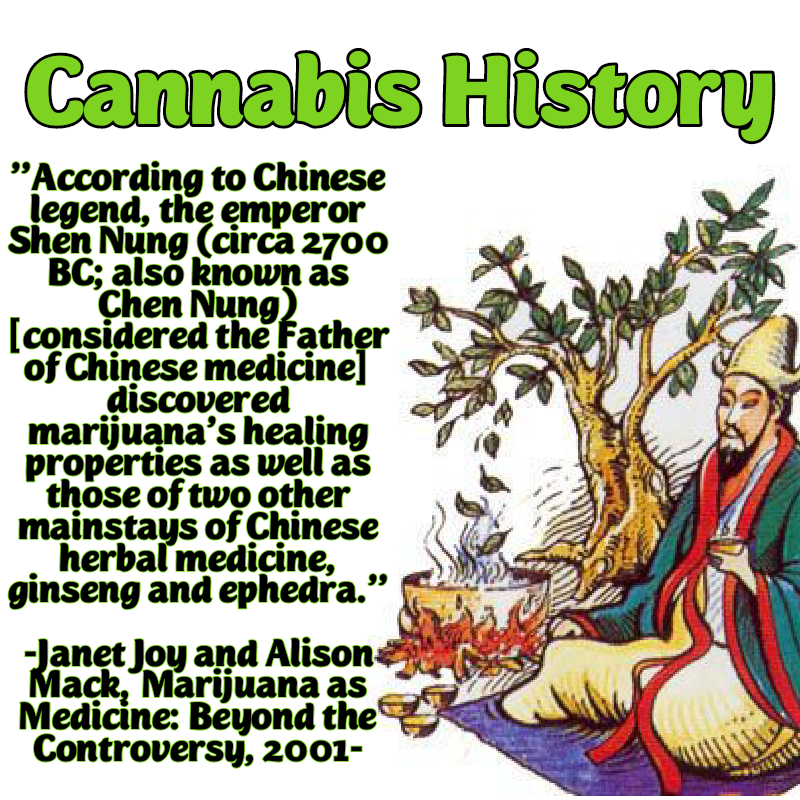
Hello and Welcome to “HealingHerbs” and I am Christopher your Cannabis Guru and it is Tincture Tuesday. One of the first innovations in plant medicine, with documentation as far back as 1025 in The Al-Qanoon fi al Tibb, aka, The Canon of Medicine, was the tincture. Ibn Sina was the author and his studies began in Bukhara under the guidance of several well-known scholars of the time.

Ibn Sina

Ibn Sina studied logic, philosophy, metaphysics and natural sciences, and gradually developed an interest in medicine. His knowledge soon began to exceed that of his teachers. Ibn Sina began writing his major medical composition,Canon of Medicine, in Jorjan (also written as Gorgan) at the southeast corner of the Caspian Sea, and continued its composition in Rayy. Since then there have been innumerable innovations. That shows a good tried and true product never will go out of use or style. So let’s fire one up and get some higher education.

A Tincture in the most basic sense is an extract, in which a liquid is infused with herbs or flowers, meant for oral consumption, not vaporization or smoking. We are going use Cannabis to be infused. The Cannabis plant soaks in a base liquid, such as food-grade alcohol, glycerin, or even oil, and after days of steeping, the plant matter is strained out and—bam! The cannabinoids, terpenes, and other compounds have infused with the base liquid, ready to dose and consume. 

Technically, the term “Tincture” specifically refers to an alcohol-based product and one made with oil or glycerin is an “Infusion“.
In the adult consumer market, tinctures typically come in 1 fl oz (30mL) glass bottles with droppers to administer low and consistent doses. Tinctures are not considered a food item, they can exceed the 100 mg THC cap on edibles in many markets.
 
Tinctures may not seem as fun as a gummy or a dab, but they are for your Health and Well being. Cannabis Tinctures have a multitude of health benefits while still offering a comfortable, intoxicating experience.


While both Cannabis Tinctures and Edibles require ingestion to work, they enter the bloodstream via thevdifferent bodily systems and will have distinct effects. 

Edibles require digestion and are processed in the stomach and liver, and enzymes in the liver enhance the effects of ingested THC. Cannabis Tinctures do not pass through the liver and are absorbed under the tongue, so while the high will be more immediate, it won’t be as strong.   

Benefits of Using Cannabis Tinctures

Cannabis Tinctures may not seem as edgy as other consumption methods, but tinctures have endured in apothecaries and dispensaries for centuries because they are considered one of the healthiest ways to consume Cannabis. 

No Food Allergens or Sensitive Ingredients

You will find that brands often flavor or enhance their Cannabis Tinctures, but you only need the Cannabis Plant and the base to which it is bound. This is a sugar, gluten, gelatin, food coloring, and any other ingredients that may aggravate intolerances or allergies can be avoided.


Discretion

Cannabis Tinctures at a glance can resemble a skincare product or even a wellness supplement. When sealed, they don’t stink like Cannabis Flower, and they don’t produce smoke or vapor that as with inhalation methods.

Flexible Dosing

Cannabis Tinctures are not beholden to the 100mg edible cap in many markets, so a bottle will last you a lot longer than a package of gummies, cookie or a brownie. You can also control your dose, down to the exact drop.

Fast-acting

If taken orally under the tongue, Cannabis Tinctures’ effects have a speedier onset than eating an edible, since they absorb through the tissue in the mouth (this does take a little longer than smoking). This also means Cannabis Tinctures last longer than smoking a joint, but may metabolize faster than an edible made with fats, like baked goods. 

Full Spectrum

Since Cannabis Tinctures involve soaking the entire Cannabis Plant, consumers get a myriad of benefits from all the compounds in the plant beyond just THC and/or CBD.

Cannabis companies operating in legal markets are required by law to include accurate dosing information for ingestible products. If you pick up a Cannabis Tincture from your local dispensary, it will have dosing information on the packaging. Most health and CBD stores also provide this, but THC-free tinctures don’t always go through the same degree of testing.
 
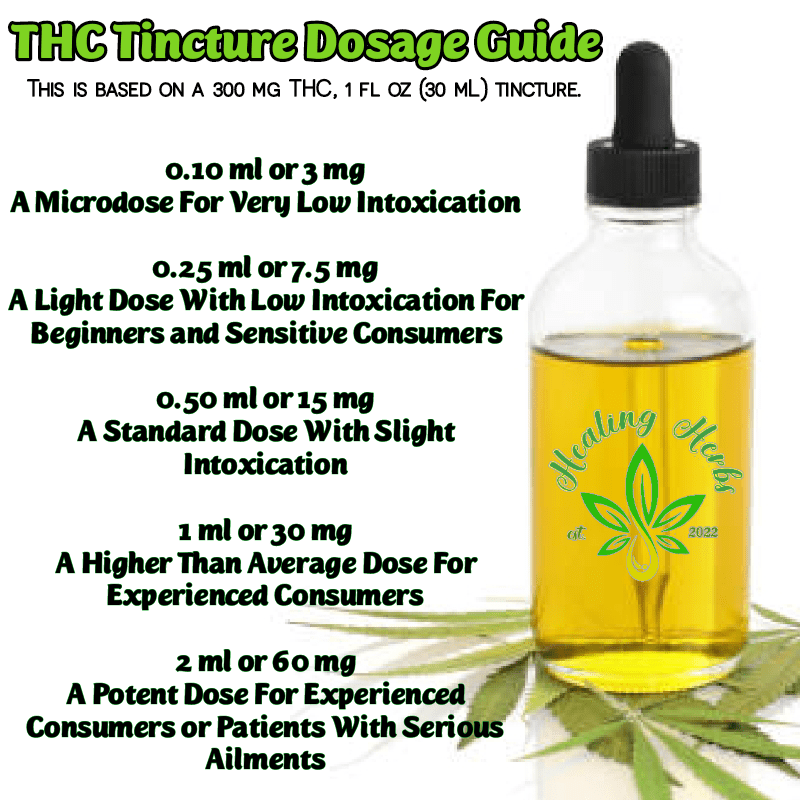
Your ideal dose will depend on your tolerance, as well as the goal of taking the Cannabis Tincture. If the Cannabis Tincture has been formulated for helping with sleep, you may want a single high dose to ensure sedation. If you intend to use the Cannabis Tincture for general daytime wellness, you may find that multiple microdoses throughout the day may achieve a more uplifting pexperience. 
     
Rule of thumb, as with anything Cannabis-related, start low and go slow. In a 1 fl oz bottle, one full dropper equates to 1 mL, so we advise starting with a quarter dropper or less if you have a low tolerance or do not regularly consume high amounts of Cannabis. You can go for half a dropper if you feel more confident.
 
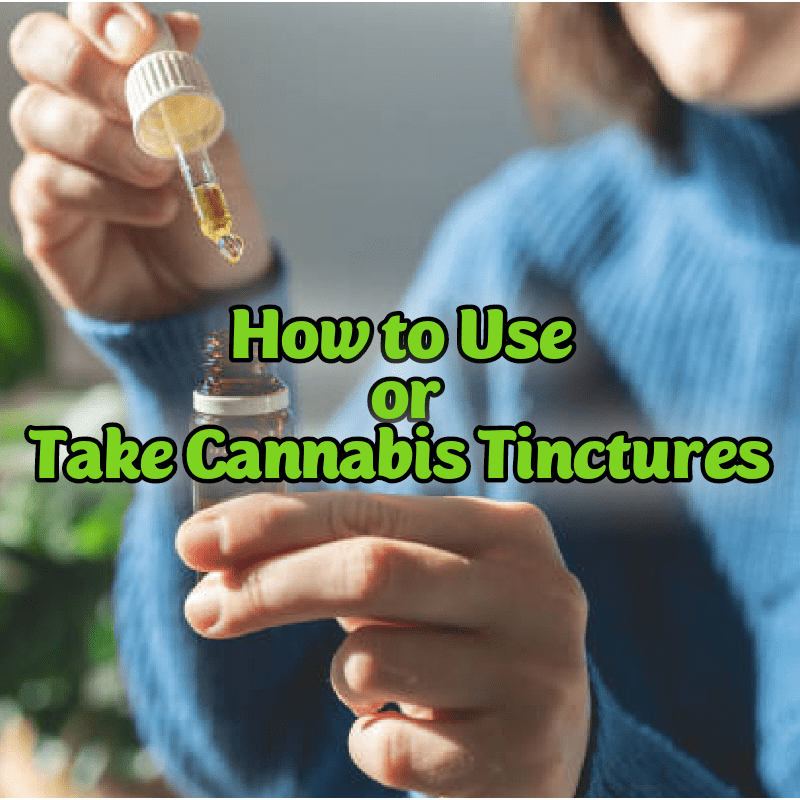
For maximum efficacy, use the dropper to deposit the Cannabis Tincture under the tongue, and let it sit for 30 seconds before swallowing. The mouth has absorbent tissue called oral mucosa, essentially a mucous membrane that lines the inside of cheeks, lips, and under the tongue that helps fight disease and keeps our mouths healthy. It absorbsthe Cannabis Tinctures and administers Cannabinoids into the bloodstream directly, without going through the stomach or liver.

Cannabis Tinctures typically take effect within 15-30 minutes if left to sit under the tongue for 30-45 seconds. Swallowing a Cannabis Tincture directly can compromise its efficacy as your body won’t absorb it the way it will an edible or food item. Cannabis Tinctures mixed with food will take longer to take effect, but may yield a more potent high.

Can You Cook With Tinctures?

Cooking with Cannabis Tinctures depends primarily on the formulation and how you plan to incorporate it into cooking. Since most Cannabis Tinctures contain THC, CBD and/or other Cannabinoids that have been decarboxylated, exposing the Cannabis Tincture to high heat via an oven, stove, or boiling water may burn them away, rendering the final food useless from a medicinal standpoint.  
However, you can easily add a Cannabis Tincture to any finished dish by incorporating it in a sauce or dressing. They also make good additions to top up cannabis tea recipes.


STONER QUESTION OF THE DAY

How did you first use Cannabis?


We have come to the end of today’s higher education and we found out that Ibn Sina back in 1025 bc wrote about his discovery of the tincture. We got educated on what makes a tincture or an infusion as well educating on the effects, dosages of tinctures. We will learn more on the next Tincture Tuesday so until tomorrow stay Herbaly Healthy & Happy. Please follow and take the time to give us a LIKE then post a comment because we would love to hear from you and Share this with your friends and family to help us educate on the Endo-Cannabinoid System and Cannabis as a Holistic Therapeutic that is all Organic and Natural, Chemical and Pesticide Free, Affordable and Easy to Access and Therapeutic while We Demand the FederalGovernment to Immediately Reform the law on Cannabis. We also Demand Big Pharma to stay out of our Wallets and we have a medication that actually Heals named Cannabis that does not contain those Harmful Side Effects like Liver Damge, Kidney Damage, or Death.
Marijuana Horticulture Monday

Introduction

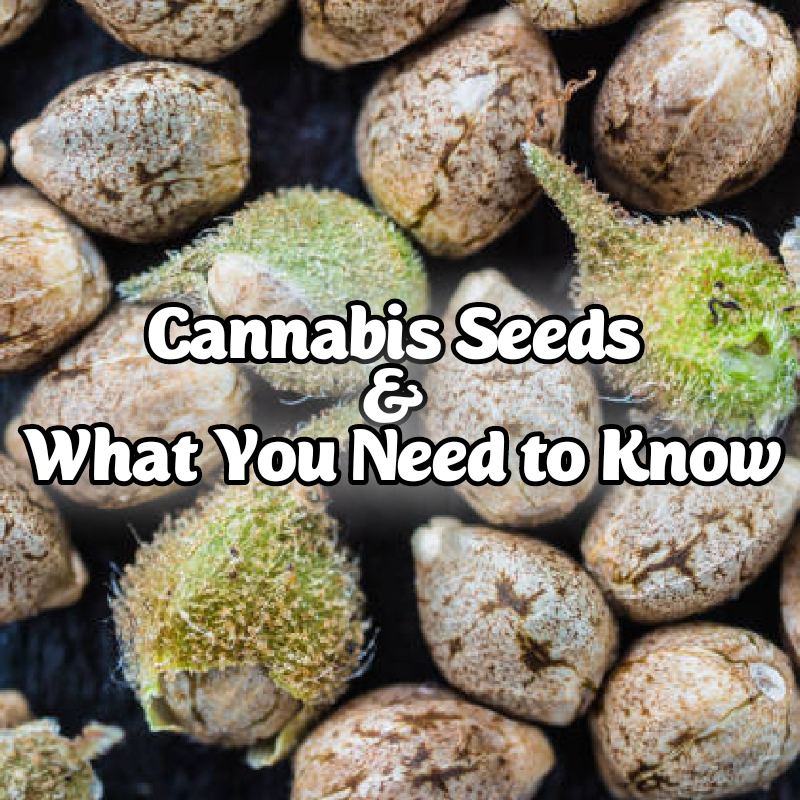
Hello and Welcome to “Healing Herbs” Marijuana Horticultural Monday and I am Christopher your friendly Cannabis Guru. First of all if you don’t have one rolled up do it now and I will be here when you are ready….. OK your back I am going teach on the Cannabis Seed while answering the age old question of which came first the Cannabis Plant or the Cannabis Seed?
Just kidding we are not wading into that philosophy pool but seriously if you are trying to become a cannabis grower, it is essential to learn about marijuana seeds. So fire it up! It’s time for some higher education.


Cannabis plants are dioecious. This means their male and female reproductive organs are found on separate plants a male plant and a female plant. To grow females, you must place them far away from males. Otherwise, the male plant pollinates the female and hinders its ability to produce high quality, high potency cannabis.

Seedless female flowers called sinsemilla meaning “without seed” in Spanish are grown without males. This is that potent marijuana you find in your local dispensary comes from such a flower.

A male plant must pollinate a female plant’s flower for it to reproduce. When this happens, the female flower produces an abundance of seeds. There are also hermaphrodite plants. These contain male and female reproductive organs. They are capable of producing pollen and self-pollinating their flowers.

Irrespective of whether a male plant pollinates a female or one plant self-pollinates, seeds get created. Once the seeds reach maturity, they are dropped from the plant and can produce new marijuana plants. Alternatively, they are harvested for hemp oil or food.

The only guarantee to determine the difference between a male and a female plant is to let them grow for a while. You likely won’t spot the gender of a plant for around six weeks, which is the pre-flowering stage. If a small bud is visible between the new branch and the main stock, it is probably a female plant. Eventually, buds become adult flowers. Another tip is to look for white pistil hairs that grow where the bud ultimately forms.

You can spot male cannabis plants by the pollen sacs they create. These are bulbs that resemble tulips in terms of shape. They don’t have any pistil hairs growing. When you spot a male plant in your garden, remove it immediately. Otherwise, it will pollinate female plants and produce abundance seeds rather than developing a flower.


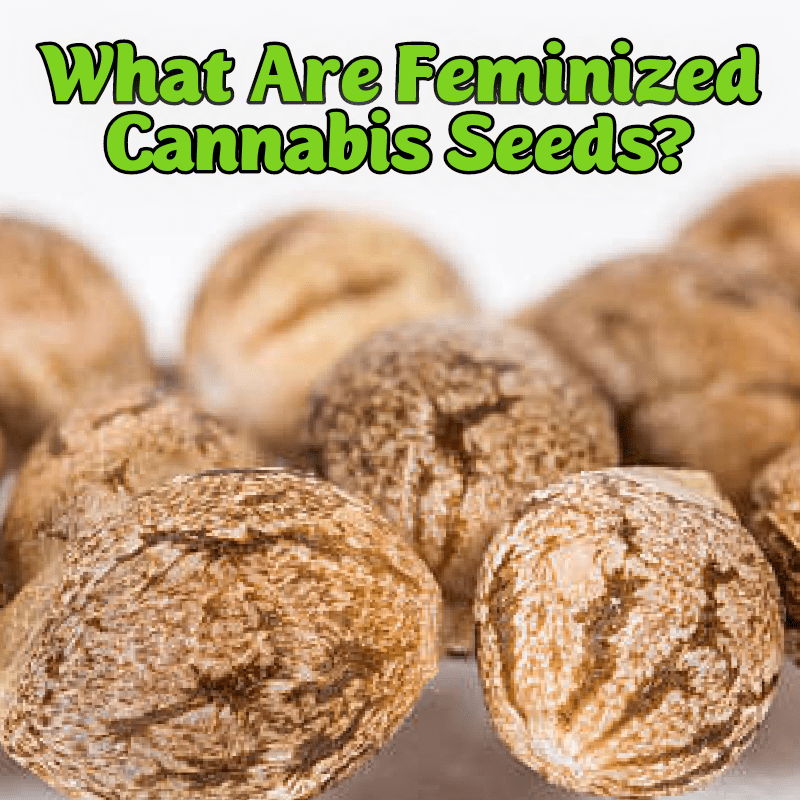
‘Feminized’ cannabis seeds are produced by causing the hermaphrodite condition in a female plant. You can do this by Rodelization, by spraying gibberellic acid or a colloidal silver solution. What happens is that you use ‘male’ pollen from a hermaphrodite plant to fertilize a female flower. As a result, you end up with plants that are either hermaphrodites or females, but never males.

When done correctly, feminized marijuana strains can gain resistance against becoming hermaphrodites. This means the seeds are guaranteed to grow into female plants. It is a process that saves commercial growers, in particular, a great deal of time and money.

Also known as ‘cloning by seed,’ it is a reliable way to avoid producing male plants. On the downside, finding a stable mother plant for seed production is expensive and extremely time-consuming.

A great percentage of feminized seeds become hermaphrodites. This scenario results in marijuana flowers with seeds in them and lower overall yield. Don’t use feminized seeds if you intend to breed plants. On the plus side, this type of seed is ideal for beginners who want to avoid male plants their cannabis garden.


Eventually, you need to change the light cycle of a marijuana plant to help it move from the vegetative stage to the flowering stage. The length of time a plant is exposed to light is known as a ‘photoperiod.’ It is normally anywhere between 16 and 20 hours a day during the vegetative stage. Next, you have to expose the plant to 12 hours of continuous darkness each day for a couple of weeks to help it reach the flowering stage.

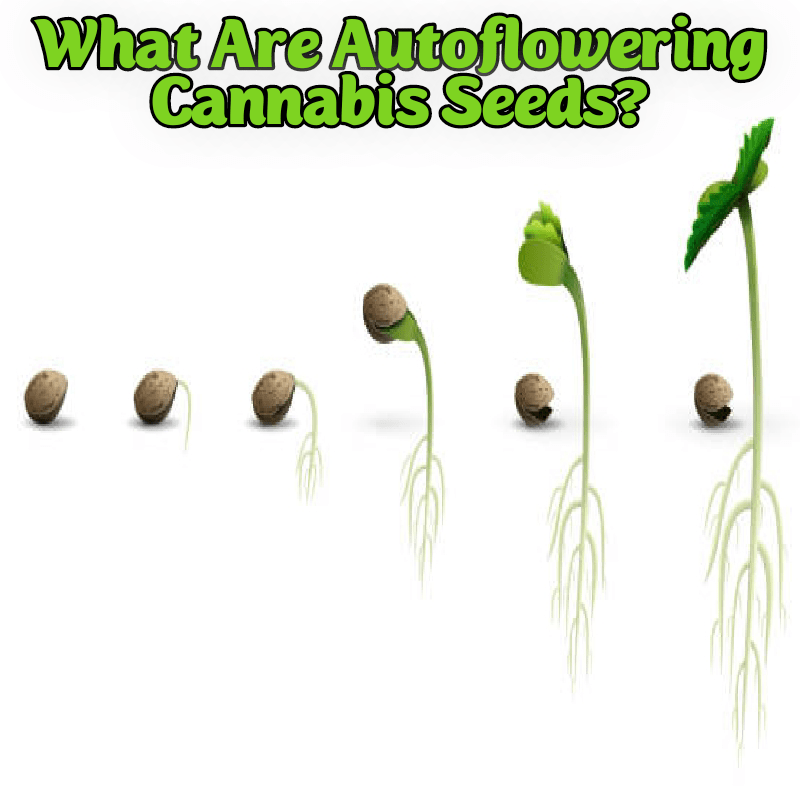
Autoflowering cannabis seeds are very different. They are based on the Cannabis ruderalis species. It flowers once the marijuana plant reaches a certain age, regardless of its light exposure. It is possible to cross a potent marijuana strain with a lower-THC ruderalis variety to produce an autoflowering strain.

This type of seed is ideal if you grow marijuana plants in a climate where summers are typically cold and short, and the rainy season appears relatively early in the fall. With autoflowering seeds, you can begin growing in early spring because it will flower during summer.

These plants don’t need a specific light cycle, they do require consistent light to produce the highest yields. Please note that the nature of autoflowering strains means you can’t keep them in the vegetative stage.

No single factor results in a high-quality cannabis seed, but all of the following play a significant role:

Maturity: Allow the seeds to mature fully before use.

Storage: Store your seeds in a cool, dark place. You can either freeze them immediately or use them within 12 months. Otherwise, you run the risk of exposing the seeds to pathogens that will cause spoilage.

Genetics: Without good genetics, the best you can hope for is an average yield. Unfortunately, some breeders cross a high-quality female plant with any male plant they find and sell the resulting seeds. Others stabilize a plant’s most desirable traits and produce multiple phenotypes. The best seeds are Inbred Lines (IBLs), which provide plants with little difference. Unfortunately, it is hard to find such seeds.


It is common to pay up to $12 per seed, which means a pack of ten will set you back well over $100.

If you are a Cannabis breeder working in the shadows because of prohibition, it takes a long time to produce a high-quality seed line. Then there is the small matter of legal repercussions if you are caught breeding and cultivating Cannabis.

Suddenly, it is easy to see why cannabis seeds are so expensive! Unfortunately, the cannabis seed breeding industry is unregulated, which means you don’t always get what you pay for. You could easily spend $15 per seed and end up with low-quality seeds. Good luck trying to track down the seller in this scenario!

If you successfully purchase cannabis seeds, the cultivation process is an exciting and therapeutic one. However, it also requires a lot of knowledge. I am here if you need any help, there are no dumb questions.

Design a site like this with WordPress.com
Get started